Slapstick Fighter - Fight Game
Cybernate Pty LtdAction
4.74.72K Reviews
- Version
- 3941.8.2
- Installs
- 10.00M
- Age Rating
- Teen
Screenshots
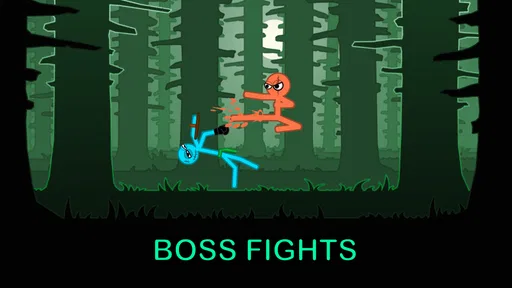
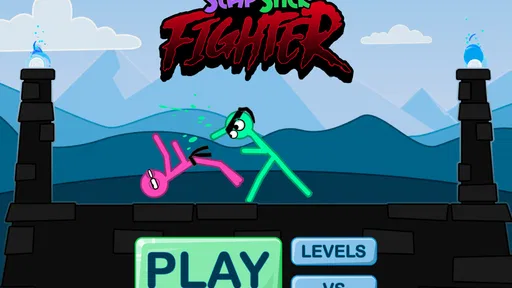
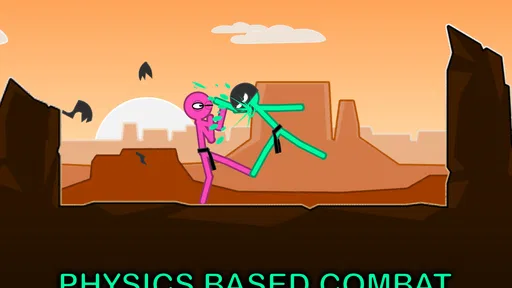
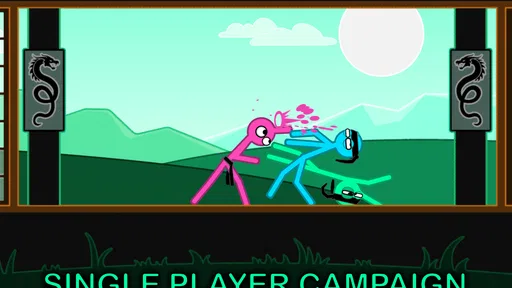
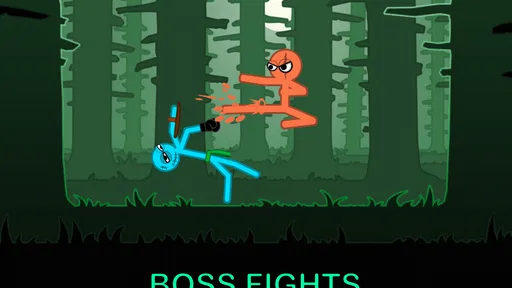
Our Review of Slapstick Fighter - Fight Game
 Analysis by Appyee
Some action games ask you to memorize long combos; Slapstick Fighter takes a more immediate route. I found its appeal in the messy impact of each encounter: strikes feel weighty, bodies react dramatically, and a well-timed hit can end with a satisfying ragdoll knockout. It is a free Android action game from Cybernate Pty Ltd, rated Teen, and it has attracted a 4.7 average from around 124 thousand ratings, with over 10 million installs. Those figures suggest broad appeal, but they do not remove the need to understand what kind of fighter this really is.
This is best approached as a quick, physical slapstick brawler rather than a deep competitive fighting game. I enjoyed it most when I stopped expecting perfectly predictable animation and started treating the unusual movement as part of the challenge. The game can be funny, tense, and surprisingly satisfying in short sessions, although players who want strict frame-by-frame control may find its loose physicality frustrating.
What makes the fighting feel different
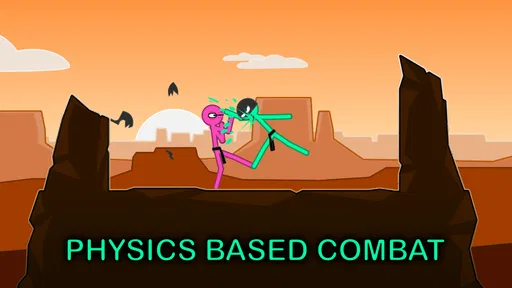
The central pleasure comes from watching an attack connect and seeing the opponent react in a way that feels more physical than a simple health-bar exchange. A punch is not merely a number going down. Position, timing, and the direction of the contact can change the entire moment. That gives even a basic encounter a little uncertainty, which is where much of the humor comes from.
I would not describe the combat as realistic in a simulation sense. Its realism is more about impact and motion than authentic martial-arts technique. The exaggerated knockouts and floppy reactions create a cartoon-like tone, while the action still asks you to pay attention to spacing and timing. If you enjoy games where a small mistake can turn into an entertaining disaster, this approach works well.
The important adjustment is learning not to fight the physics. New players may try to force every movement into a precise sequence, then blame the controls when the character does something awkward. In my experience, a better method is to make shorter inputs, observe the opponent’s position, and wait for a clean opening instead of constantly attacking. That gives the physical system room to work in your favor.
A useful habit is to think in terms of recovery rather than uninterrupted offense. After a hit, I take a brief moment to see whether the opponent is actually vulnerable or merely moving through an animation. Pressing forward too quickly can turn a successful strike into a poor position. This is one of the less obvious lessons of the game: the funniest-looking knockdown is not always the safest moment to rush in.
Where first sessions can become frustrating
The loose, impact-focused design can make early matches feel less controlled than familiar fighting games. In a traditional arcade fighter, players often know exactly why a move succeeded or failed. Here, the outcome may seem to depend on body position, momentum, and the timing of contact all at once. That unpredictability is part of the identity, but it also creates a learning curve.
I recommend playing the opening encounters with patience rather than trying to win through speed. Watch how far an attack carries the character, notice how long it takes to regain control, and use the first few exchanges to learn the rhythm. This is especially helpful on a smaller phone screen, where hurried taps can feel less deliberate than intended.
Another common sticking point is treating every opponent as if the same approach should work. Physical combat rewards adaptation. If an enemy is already close, a large movement may put you in a worse position. If there is more distance, attacking too early may leave you exposed. The game becomes more readable once you judge the space before choosing an action.
That does not mean every awkward result is your fault. Physics-driven action naturally produces moments that look inconsistent, and the game’s humor depends on that looseness. I see this as a trade-off rather than a defect: the same system that creates memorable knockouts can also make a loss feel difficult to analyze.
Checks worth making before a serious session
Because the game is free, it is easy to install it casually and start playing without thinking about the device. It supports Android from version 6.0 onward, and the current version is 3941.8.2. Before deciding that a problem comes from the game, I would first check that the phone is running a compatible system and that the installation has completed normally.
A simple restart is also worthwhile after an update or an unusually long session. Close other demanding apps, reopen the game, and test a short encounter before changing several settings at once. This gives you a clearer idea of whether the issue is repeatable or was just a temporary slowdown.
Touch response deserves special attention. Clean the screen, remove anything that interferes with contact, and try playing without a thick or poorly fitted screen protector if inputs feel delayed. With a game built around short timing windows and physical reactions, even small interruptions can make the controls seem worse than they are.
If the game feels visually busy or the phone becomes warm, reduce the length of your sessions and let the device settle. I would not use a hot phone as evidence that every match is poorly optimized. Background activity, charging, bright display settings, and several open apps can all affect how responsive a mobile game feels.
Recovering when a match goes wrong
When a fight starts badly, my first response is to stop tapping for a moment. That sounds obvious, but frantic input often makes a physical combat system harder to read. I look at the distance, wait for the character to regain a stable position, and then attempt one deliberate action. This recovery habit is more useful than trying to overwhelm the opponent with repeated attacks.
If the controls suddenly seem unresponsive, I leave the current encounter and reopen the game rather than repeatedly pressing the same area of the screen. A temporary interruption can make later inputs appear to be ignored, while restarting creates a clean test. If the problem only happens during one chaotic exchange, it may be part of the physics rather than a persistent control failure.
For players who are unsure whether their technique or the device is responsible, I suggest a small comparison. Play several short attempts while holding the phone steadily, then repeat with fewer simultaneous touches and a slower rhythm. If the second approach feels more reliable, the issue may be input overload or rushed timing rather than a broken control scheme.
It is also worth distinguishing a visual surprise from a genuine failure. A character may tumble, bounce, or fall in a way that looks like the game has stalled, but the animation can still be resolving. Give the scene a moment before restarting. That pause can prevent you from abandoning a match that is still active.
In-app purchases cost $3.49 per item, so I would keep an eye on accidental spending, particularly if younger people use the device. The Teen content rating is a useful signal that the game is not aimed at very young children, even though its slapstick presentation may initially look harmless. I would treat it as an action game for older children, teenagers, and adults who are comfortable with its tone.
When the phone, connection, or expectations are the real issue
Not every poor experience points to a flaw in the game itself. A crowded storage drive, outdated system software, aggressive battery management, or unstable device performance can affect installation and play. I would check those basics before judging the combat. If other games also stutter or touch input feels unreliable elsewhere, Slapstick Fighter is probably not the main cause.
Connection problems can be equally misleading when a game is being installed, updated, or opened. Switching between unstable networks repeatedly may produce an incomplete or inconsistent setup. A practical approach is to use a reliable connection, allow the installation process to finish, and then restart the app once before testing it again.
Expectations are another source of disappointment. Someone looking for a serious tournament fighter, a large story campaign, or a carefully balanced esports-style experience should probably choose a different action game. This title’s strength is the immediate physical joke and the pleasure of a dramatic hit, not a promise of technical mastery in the traditional fighting-game sense.
It is also not the best choice for someone who dislikes losing control during exaggerated knockouts. The ragdoll behavior is central to the experience, so players who prefer clean, predictable animations may never become comfortable with it. In that case, a conventional fighter with fixed moves and clearer defensive rules would be a better fit.
On the other hand, people who enjoy experimenting can get more from it than the short store summary suggests. Try changing the pace of your attacks, using distance rather than constant contact, and paying attention to what happens after a successful blow. These small adjustments turn random-looking moments into situations you can influence, even if you can never control every outcome perfectly.
How it compares with more traditional action games
Compared with a standard fighting game, this one is easier to start but harder to explain in exact terms. You can understand the basic goal quickly, yet the physical reactions make advanced play less about memorizing a complete move list and more about recognizing opportunities. That makes it approachable for casual sessions, while reducing the clarity that dedicated fighting-game fans often value.
Compared with endless-runner action games, it offers more direct interaction with an opponent. You are not simply avoiding obstacles or chasing a score; you are watching a character’s position and deciding when to commit. The trade-off is that its action can feel less smooth and less predictable than games built around a fixed route or repeated pattern.
Compared with cartoon brawlers that rely on flashy abilities, its appeal is more physical than strategic. I would choose it when I want a quick laugh, a few active minutes, or a fight where the final hit looks different from the previous one. I would choose another game when I want long-term character building, a detailed campaign, or a highly controlled competitive system.
The free entry point makes it easy to test without committing money. Still, the purchase options mean I would review the payment settings before handing the phone to a child. The game can be enjoyed as a free experience, but anyone sensitive to optional spending should decide in advance whether they want to make purchases at all.
Who will get the most from it
I think it suits players who like short, energetic sessions and do not mind a little chaos. It works particularly well as a break between more demanding tasks: I can imagine playing a few encounters while waiting for transport, taking a short pause from study, or relaxing after work without needing to remember a complicated story.
It is also a good choice for friends or family members who enjoy laughing at unexpected game physics. The dramatic falls and irregular reactions give each match a social quality, even when the game is being played alone and someone nearby is simply watching. That kind of entertainment is different from chasing a perfect score.
Players should skip it if they need precise, repeatable controls above everything else. It may also disappoint anyone who wants a large amount of strategic depth immediately. The game has room for better timing and positioning, but its personality comes from physical unpredictability, so it will never feel exactly like a strict technical fighter.
For a realistic everyday scenario, I would use it like this: after a busy day, I open it for a handful of quick fights, focus on making one clean attack at a time, and stop before frustration turns the session into repetitive tapping. That approach matches its strengths. It is a compact burst of action, not something I would use as my main long-form gaming experience every evening.
My practical verdict after spending time with it
Slapstick Fighter succeeds because it understands the entertainment value of impact. The fights are memorable when a well-placed blow sends an opponent into an exaggerated tumble, and the ragdoll knockouts give the action a personality that ordinary health-bar combat often lacks. Cybernate Pty Ltd has made a game that is easy to sample and distinctive enough to remain interesting beyond its first few encounters.
My recommendation comes with one clear condition: enjoy the physical chaos instead of demanding perfect control from it. Learn to pause after attacks, judge distance before committing, and restart calmly when the device or input seems unreliable. Those habits make the experience more satisfying and help separate genuine technical trouble from the game’s intentionally loose behavior.
The 4.7 average and large install base show that the concept connects with many players, but the right audience matters more than popularity. I would recommend it to fans of casual action, comic knockouts, and short experimental matches. I would point competitive fighting-game specialists toward a more traditional alternative, especially if they need exact move consistency and transparent reasons for every win or loss.
For me, the final balance is positive. It is free to try, supports older Android devices beginning with version 6.0, and offers a style of fighting that feels immediately different. Its limitations are closely tied to its best feature: the physics create funny, forceful moments, but they can also make outcomes harder to control. If that trade-off sounds entertaining rather than annoying, this is a worthwhile action game to keep installed for quick bouts.
My bottom line: choose it for playful physical combat and surprising knockouts, not for a strict competitive fighter. Used with realistic expectations and a little patience during setup and recovery, it delivers a compact, good-natured action experience that is easy to recommend to the right player.
Verdict
Strengths of Slapstick Fighter - Fight Game
- Simple controls make it easy for beginners to start fighting.
- Fast matches suit short gaming sessions.
- Funny slapstick animations add personality to every battle.
- Playable offline, so no constant internet connection is needed.
- Different fighters provide variety and encourage replaying matches.
Limitations of Slapstick Fighter - Fight Game
- Combat can feel repetitive after extended play.
- Some opponents may seem unbalanced during progression.
- Ads may interrupt the experience between battles.
- Limited strategic depth may disappoint experienced fighting-game fans.
- Unlocking content can require considerable time or repeated matches.
Similar Picks in This Category
View All
Temple Run 2: Endless Escape
Imangi Studios4.1

PUBG MOBILE
Level Infinite4.3

Free Fire: 9th Anniversary
GARENA INTERNATIONAL I4.4

Talking Tom: Hero Dash Run
Outfit7 Limited4.3

slither.io
Lowtech Studios3.9

Sniper 3D:Gun Shooting Games
Wildlife Studios4.6
Frequently Asked Questions
What is Slapstick Fighter - Fight Game?
Slapstick Fighter - Fight Game is a physics-based mobile fighting game built around exaggerated ragdoll movement, funny animations, and simple combat controls. Instead of focusing on realistic martial arts, it turns every match into a chaotic battle where fighters stumble, swing, and react dramatically to hits. The lighthearted presentation makes it easy to enjoy casually, even if you are not experienced with fighting games.
How do you play Slapstick Fighter - Fight Game?
The game generally uses straightforward touch controls to move your character, attack opponents, and defend yourself during short battles. Timing and positioning are more important than complicated button combinations, because the physics can make every punch or collision unpredictable. Players should learn how their fighter moves, watch the opponent’s actions, and use openings carefully rather than attacking continuously without a plan.
Does Slapstick Fighter - Fight Game work offline?
Slapstick Fighter - Fight Game may be playable without a constant internet connection, particularly for its basic solo matches, although availability can depend on the version installed and the device being used. An internet connection may still be required for advertisements, updates, online features, or certain downloadable content. It is best to launch the game once while connected before relying on it during travel.
Is Slapstick Fighter - Fight Game suitable for children?
The game has a cartoon-like, comedic approach to fighting rather than realistic violence, which makes it considerably lighter than many conventional combat games. However, parents should still check the age rating, advertising content, in-app purchase options, and privacy information shown on the relevant app store. Younger players may also need guidance because the physics-based action can become fast and occasionally frustrating.
Is Slapstick Fighter - Fight Game free to download and play?
Slapstick Fighter - Fight Game is typically available as a free download, allowing players to try its main gameplay without paying upfront. Nevertheless, the free version may include advertisements, optional purchases, or limitations on certain content. Before downloading, review the store listing for the current monetization details and disable or protect in-app purchases if children will be using the device.
Play our best games!


